Getting a customer through the door is only the first step. For many businesses, the bigger challenge is getting that customer to come back again and again.
Customer retention is important because repeat customers already know your business, understand what you offer, and have previously chosen to buy from you. Creating reasons for those customers to return can help businesses build stronger customer relationships and generate more consistent sales.
Two strategies that businesses of all sizes can use to encourage repeat visits are loyalty programs and gift cards.
When used together, loyalty programs and gift cards can encourage customers to return, increase engagement, and create more opportunities for future purchases.
What Is Customer Retention?
Customer retention refers to a business’s ability to encourage existing customers to continue purchasing from the business over time.
Instead of constantly focusing on finding new customers, a customer retention strategy gives existing customers reasons to return.
Retention strategies can include:
- Loyalty and rewards programs
- Gift cards
- Personalized promotions
- Exclusive customer offers
- Membership programs
- Special discounts
- Email and text marketing
- Reward points
- Birthday or anniversary offers
The goal isn’t simply to offer discounts. A successful retention strategy gives customers a reason to choose your business again.
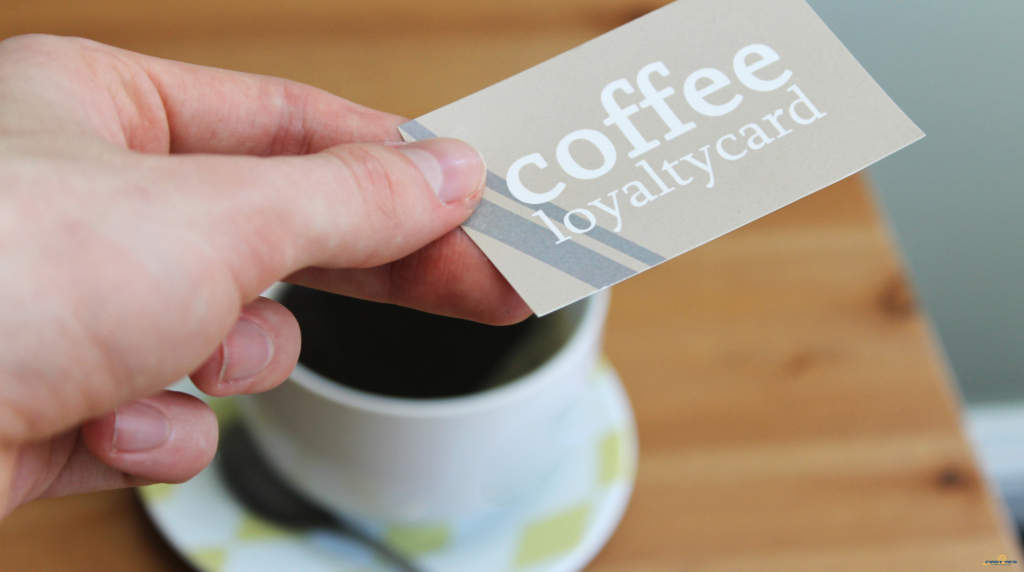
Why Customer Retention Matters
Acquiring a new customer can require significant time and marketing effort. Once someone has already purchased from your business, maintaining that relationship can create additional opportunities for future sales.
Repeat customers can also become familiar with your products, services, staff, and brand. Over time, that familiarity can help strengthen customer relationships and encourage loyalty.
For this reason, businesses should consider both customer acquisition and customer retention when developing their marketing strategy.
How Loyalty Programs Encourage Repeat Customers
A loyalty program gives customers an incentive to continue doing business with you.
Depending on the business, a loyalty program might reward customers with points, discounts, free products, exclusive offers, or other benefits.
For example, a restaurant could offer a reward after a certain number of purchases, while a retail store could allow customers to earn points that can later be redeemed for discounts.
Loyalty Programs Create a Reason to Return
One of the biggest advantages of a loyalty program is that it gives customers a reason to make another purchase.
If a customer knows that another visit will help them earn additional points or move them closer to a reward, that incentive may influence where they decide to shop or dine.
Rewards Can Increase Customer Engagement
Loyalty programs can also encourage customers to interact with a business beyond individual purchases.
Businesses can use rewards programs to promote:
- New products
- Seasonal promotions
- Special events
- Exclusive offers
- Customer appreciation campaigns
This creates additional opportunities to communicate with existing customers.
Loyalty Programs Can Personalize the Customer Experience
Modern loyalty programs can provide businesses with useful information about customer purchasing behavior.
Depending on the system being used, businesses may be able to identify purchasing patterns such as frequently purchased products, visit frequency, or preferred offers.
That information can help businesses create promotions that are more relevant to their customers.
How Gift Cards Encourage Customer Retention
Gift cards are another effective tool for generating future business.
When a customer purchases a gift card, the transaction creates an opportunity for a future visit. When the recipient redeems the card, your business has another opportunity to turn that person into a repeat customer.
Gift Cards Introduce New Customers
Gift cards can do more than generate revenue. They can also introduce your business to people who may not have visited before.
For example, a customer might purchase a gift card for a friend, family member, or coworker. When that person uses the gift card, they experience your products or services for the first time.
A positive experience can potentially lead to future purchases.
Gift Cards Can Encourage Repeat Visits
A customer who receives or purchases a gift card already has a reason to visit your business.
After the initial redemption, businesses can use other retention strategies—such as loyalty rewards, special offers, or personalized marketing—to encourage the customer to return.
Gift Cards Work Well for Special Occasions
Gift cards can be particularly useful during holidays and special occasions.
Businesses can promote gift cards for:
- Birthdays
- Holidays
- Anniversaries
- Graduations
- Employee gifts
- Customer appreciation
- Special events
This gives customers an easy way to purchase something for someone else while introducing another potential customer to the business.
Loyalty Programs and Gift Cards Work Better Together
Loyalty programs and gift cards don’t have to be separate strategies.
When combined, they can create a customer journey that encourages both initial and repeat purchases.
For example:
Gift Card Purchase → New Customer Visit → Loyalty Enrollment → Rewards → Repeat Purchase
A customer may first discover your business through a gift card. After making a purchase, you can invite them to join your loyalty program. Once enrolled, rewards and personalized offers can give them additional reasons to return.
This creates multiple opportunities to build a long-term customer relationship.
5 Ways Businesses Can Use Loyalty Programs and Gift Cards
1. Reward Customers for Repeat Purchases
Give customers points or rewards when they make qualifying purchases.
The reward doesn’t always have to be a large discount. Small incentives can provide an additional reason to return.
2. Offer Loyalty Rewards for Gift Card Purchases
Businesses can consider rewarding customers who purchase gift cards, depending on the structure and rules of their loyalty program.
This can encourage existing customers to purchase gift cards while potentially introducing new customers to the business.
3. Promote Gift Cards During Holidays
Gift cards can become an important part of seasonal marketing campaigns.
Promoting gift cards before major holidays gives customers an easy gifting option while creating opportunities for future visits.
4. Create Exclusive Loyalty Member Offers
Give loyalty members access to promotions that aren’t available to every customer.
Examples include:
- Early access to sales
- Member-only discounts
- Birthday rewards
- Exclusive products
- Special events
- Bonus points
Exclusive benefits can make customers feel recognized and valued.
5. Make Rewards Easy to Understand
A complicated rewards program can discourage customers from participating.
Keep the program simple. Customers should be able to quickly understand:
- How they earn rewards
- What rewards they receive
- How they redeem them
- When rewards expire, if applicable
The easier the program is to understand, the easier it is for customers to participate.
How Businesses Can Measure Customer Retention
Launching a loyalty program or gift card program is only the beginning. Businesses should also monitor performance to understand what is working.
Useful customer retention metrics can include:
Repeat Purchase Rate
How many customers return to make another purchase?
Customer Visit Frequency
How often do loyalty members or other customers visit your business?
Loyalty Program Participation
How many customers enroll, remain active, and redeem rewards?
Gift Card Sales and Redemption
How many gift cards are sold, and how often are they redeemed?
Customer Lifetime Value
How much revenue does an average customer generate over the length of their relationship with the business?
Tracking these metrics can help businesses identify opportunities to improve their customer retention strategy.
Common Mistakes to Avoid With Loyalty Programs
A loyalty program should add value rather than create unnecessary complexity.
Businesses should avoid:
- Making rewards difficult to understand
- Offering rewards that customers don’t value
- Sending too many promotional messages
- Making redemption unnecessarily complicated
- Failing to promote the program
- Never updating or refreshing the rewards
- Collecting customer information without using it responsibly
The best loyalty programs are simple, relevant, and easy for customers to use.
How Technology Can Support Customer Retention
Technology can make it easier for businesses to manage loyalty programs, gift cards, customer information, and transactions.
A properly integrated system can help businesses connect customer purchases with loyalty rewards and gift card activity while making the checkout experience easier for employees and customers.
Businesses should look for solutions that work with their existing operations rather than creating additional complexity.
Are Loyalty Programs and Gift Cards Right for Your Business?
Loyalty programs and gift cards can be useful for businesses that want to encourage repeat purchases and build stronger relationships with their customers.
The best strategy depends on your industry, customer behavior, average transaction size, and business goals.
A restaurant may benefit from a points-based rewards program, while a retail store might focus on gift cards and exclusive member promotions. A service business could use appointment-based rewards, referral incentives, or customer appreciation offers.
The important thing is to create a program that gives customers a meaningful reason to return.
Build Stronger Customer Relationships With First MCS
First MCS helps businesses explore technology and payment solutions that can support stronger customer relationships and more effective retention strategies.
From loyalty programs and gift card solutions to payment processing and POS technology, the right tools can make it easier for businesses to reward customers, encourage repeat purchases, and create a better overall customer experience.
If you’re looking for ways to improve customer retention, contact First MCS to learn more about loyalty programs, gift cards, and other solutions available for your business.
Frequently Asked Questions About Loyalty Programs and Gift Cards
How do loyalty programs increase customer retention?
Loyalty programs encourage customers to return by providing rewards, points, exclusive offers, or other incentives for continued purchases. They can also help businesses create more personalized customer experiences.
Do gift cards help businesses attract new customers?
Yes. Gift cards can introduce a business to new customers when existing customers purchase them as gifts. The recipient’s first visit can create an opportunity to develop a new customer relationship.
Can loyalty programs and gift cards be used together?
Yes. Businesses can use gift cards to attract customers and loyalty programs to encourage those customers to return. Together, they can create a customer journey from first purchase to repeat business.
What should a loyalty program offer?
A loyalty program should offer rewards that customers actually value. Depending on the business, rewards might include discounts, points, free products or services, exclusive offers, birthday rewards, or early access to promotions.
How can businesses promote gift cards?
Businesses can promote gift cards through their website, email marketing, social media, in-store signage, checkout messaging, and seasonal campaigns. Gift cards are especially relevant around holidays and special occasions.
What is the difference between customer acquisition and customer retention?
Customer acquisition focuses on attracting new customers, while customer retention focuses on encouraging existing customers to continue doing business with you. Both are important parts of a long-term business growth strategy.
How can businesses measure the success of a loyalty program?
Businesses can measure loyalty program performance by tracking metrics such as enrollment, active members, reward redemption, repeat purchase frequency, customer visit frequency, and customer lifetime value.